

Wellbeing Blog
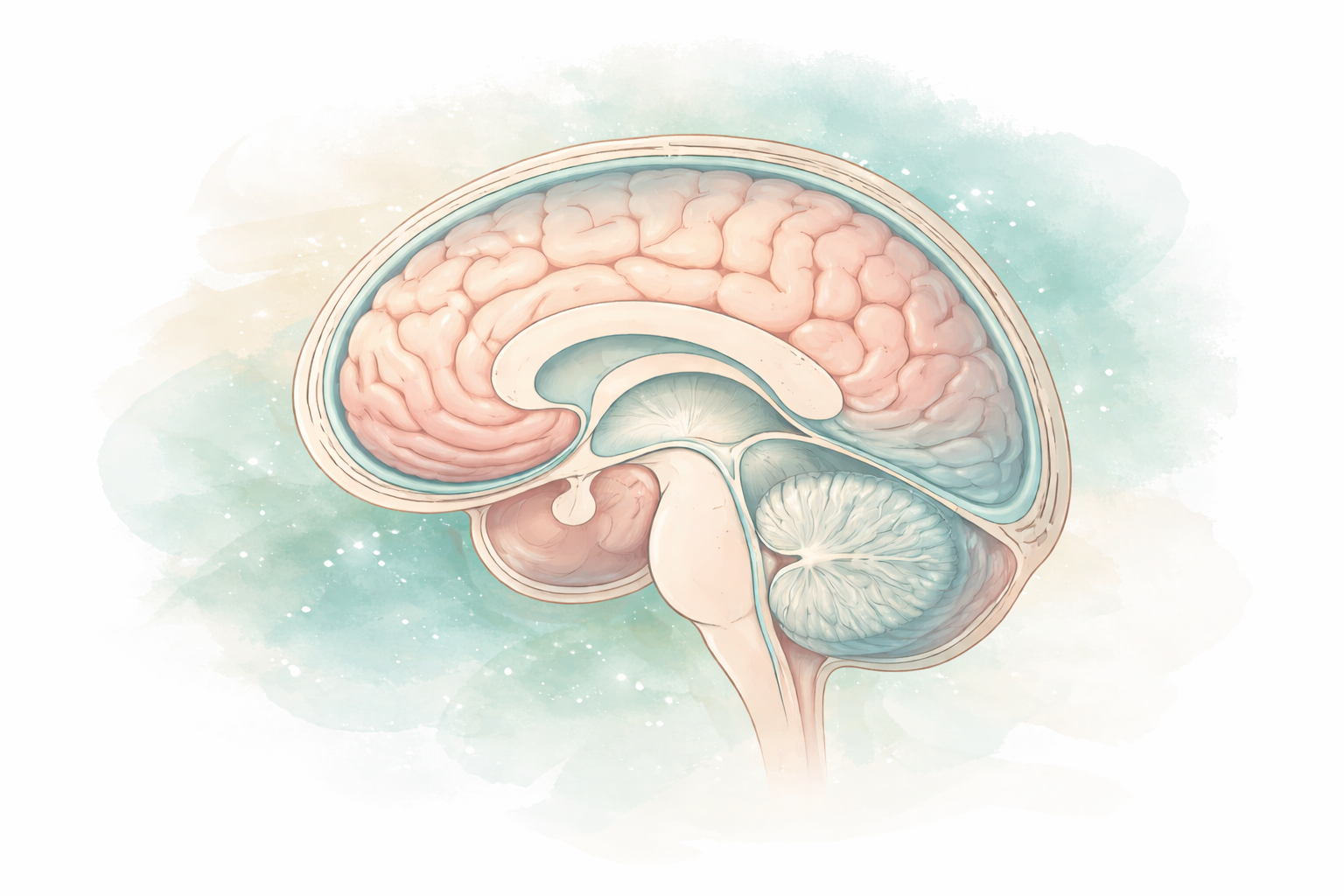
The Brain, the Body & Craniosacral Therapy: Releasing Deep Patterns of Tension
Have you ever felt like your body is holding onto something your mind can’t quite explain?
Tension in the head, emotional overwhelm, poor sleep, or a sense of disconnection can often stem from deeper patterns held within the nervous system. In craniosacral therapy and osteopathy, we understand that the brain is not working in isolation—it is intimately connected to the body through a living system of membranes, fluid, and subtle rhythms.

The Connection Between Jaw Tension and Pelvic Tension
Do you experience jaw clenching, TMJ discomfort, or a feeling of tightness in your face?
Or perhaps tension in your pelvis, lower back, or a sense of holding deep in your body?
In craniosacral therapy we understand the body as an interconnected system — not separate parts.
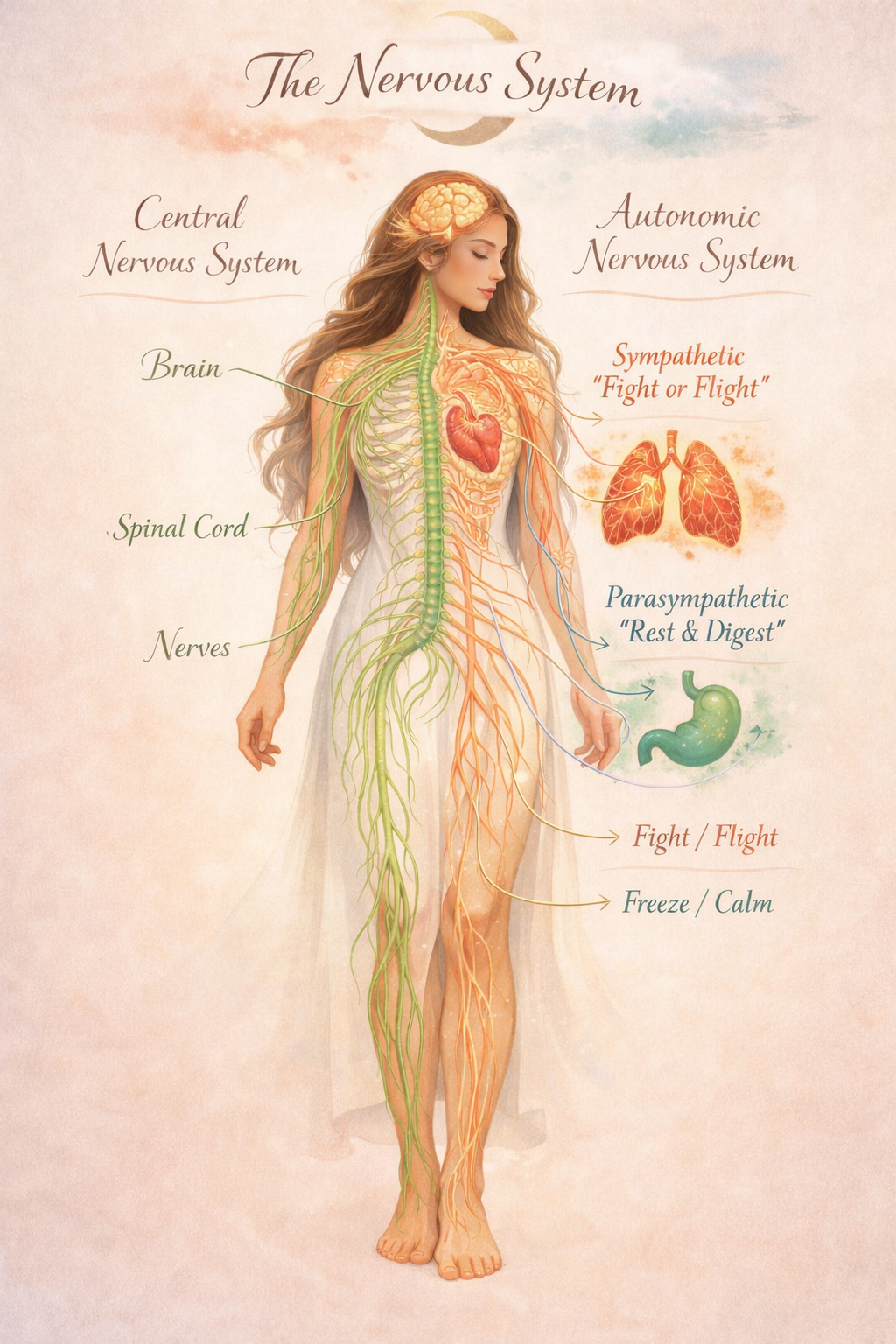
Burn out? Tired? Chronic pain? Tensed jaw? Headaches? Anxiety? The Role of the Nervous System in Physical and Mental Health
We often think of stress as something happening in the mind — racing thoughts, worry, or emotional overwhelm.
But modern neuroscience and somatic therapy reveal something deeper:
Stress is not just mental — it is physiological, lived and stored in the body.
Understanding the nervous system is key to improving both mental health and physical wellbeing. When we learn how the body responds to stress, we can begin to work with it rather than against it.
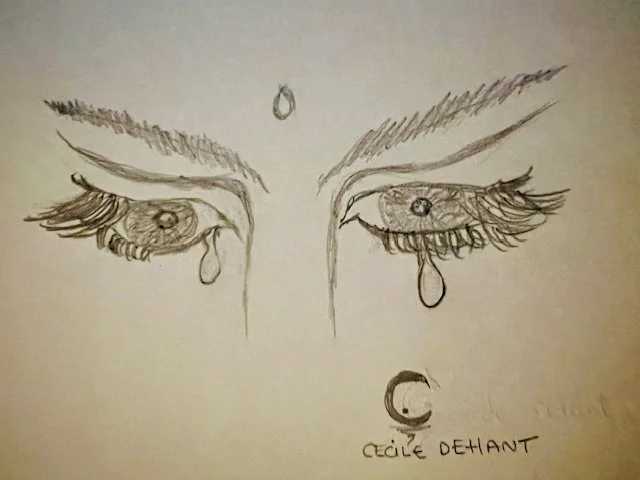
The Role of Tears in Emotional Release and Nervous System Regulation
Tears are one of the body’s most natural and intelligent forms of emotional release—yet for many, they are wrapped in shame, discomfort, or suppression.
From an early age, we may have received messages such as “don’t be too sensitive,” “stop crying,” or “be strong.” These experiences shape how we relate to our emotions and, over time, can lead to a disconnection from the body’s natural regulatory processes.
In the language of neurobiology and nervous system regulation, suppressing tears is not just emotional—it becomes physiological.
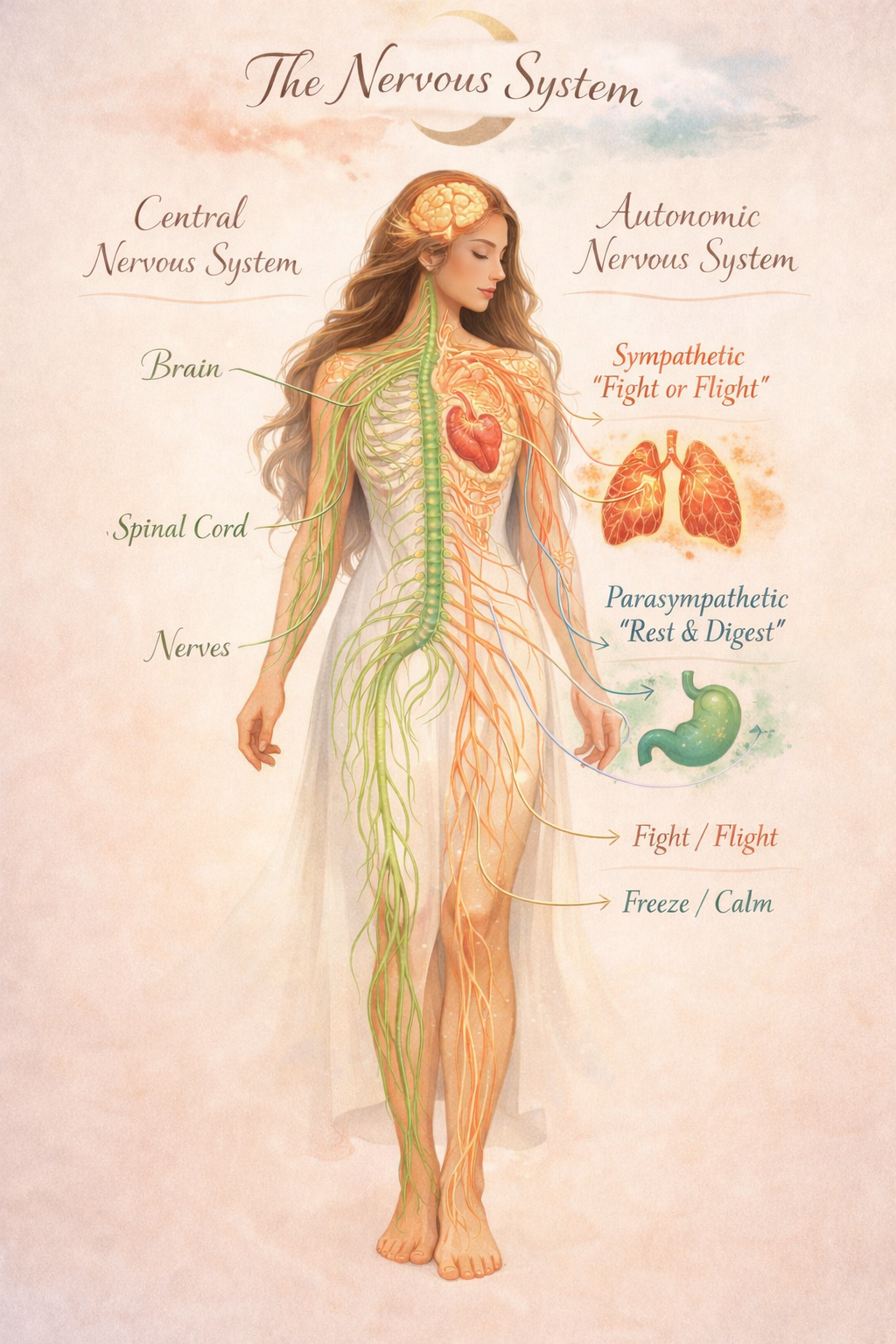
The Role of the Nervous System in Physical and Mental Health
We often speak about stress as something happening in the mind.
But modern neuroscience and somatic research now show us something deeper:
Stress is not just a mental experience — it is a physiological one, lived and stored in the body.

How Trauma Is Stored in the Body: Fascia, the Nervous System, and the Path to Regulation
The nervous system is literally embedded inside the fascia.
When sympathetic activation occurs — the “ready for danger” state — muscle tone increases.
Fascia adapts to this tone.
If the defensive response cannot complete, the tissue remains slightly contracted.
Over time:

“How Craniosacral Therapy Helps Anxiety & Burnout”
Craniosacral therapy gently works with the rhythms of the nervous system, helping the body soften out of survival mode and return to its natural state of ease.

Signs Your Nervous System Is Dysregulated (and How to Rebalance)
So many of us move through life without realising that our nervous system has been operating in survival mode for far too long. We adapt. We push through. We cope.
But beneath it all, the body whispers — through tension, exhaustion, or emotional overwhelm — that something is out of balance.