

Wellbeing Blog
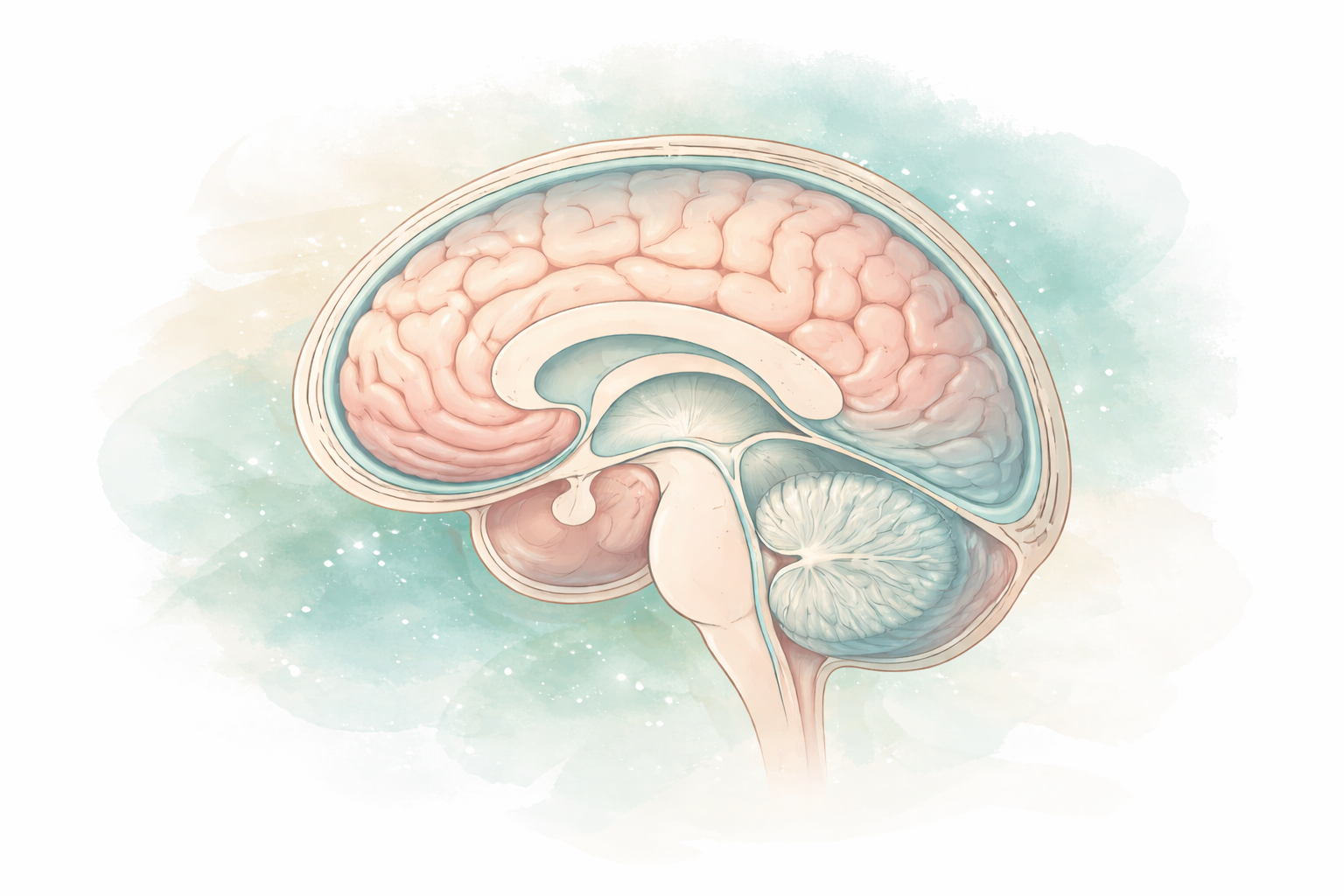
The Brain, the Body & Craniosacral Therapy: Releasing Deep Patterns of Tension
Have you ever felt like your body is holding onto something your mind can’t quite explain?
Tension in the head, emotional overwhelm, poor sleep, or a sense of disconnection can often stem from deeper patterns held within the nervous system. In craniosacral therapy and osteopathy, we understand that the brain is not working in isolation—it is intimately connected to the body through a living system of membranes, fluid, and subtle rhythms.

The Connection Between Jaw Tension and Pelvic Tension
Do you experience jaw clenching, TMJ discomfort, or a feeling of tightness in your face?
Or perhaps tension in your pelvis, lower back, or a sense of holding deep in your body?
In craniosacral therapy we understand the body as an interconnected system — not separate parts.
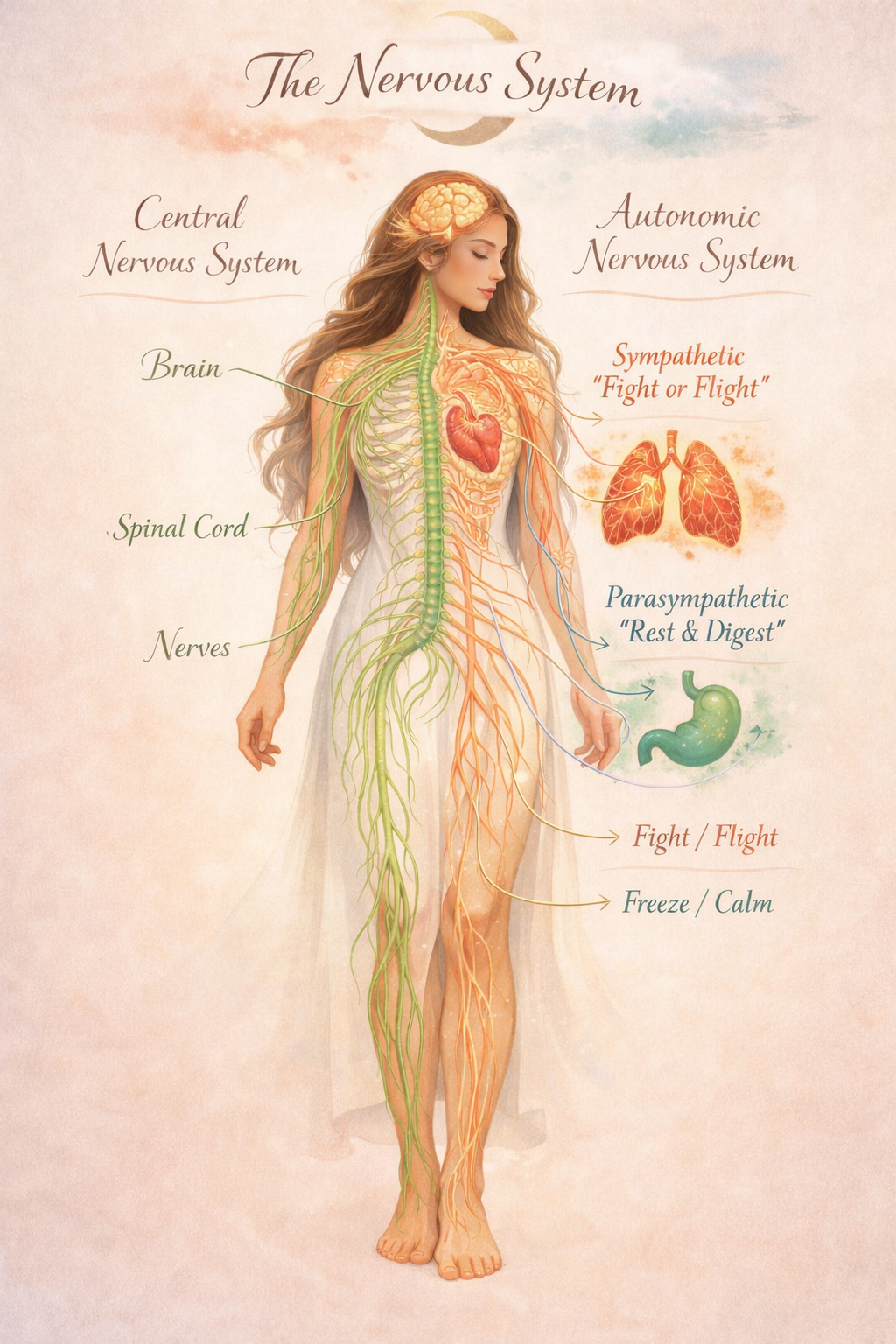
Burn out? Tired? Chronic pain? Tensed jaw? Headaches? Anxiety? The Role of the Nervous System in Physical and Mental Health
We often think of stress as something happening in the mind — racing thoughts, worry, or emotional overwhelm.
But modern neuroscience and somatic therapy reveal something deeper:
Stress is not just mental — it is physiological, lived and stored in the body.
Understanding the nervous system is key to improving both mental health and physical wellbeing. When we learn how the body responds to stress, we can begin to work with it rather than against it.

Myofascial Cupping Explained: A Powerful Technique for Pain, Scar Tissue, Recovery & Injury Prevention
Myofascial cupping therapy is a gentle yet powerful bodywork technique designed to support the release of tension within the fascia — the connective tissue that surrounds and supports muscles, organs, and the nervous system.
Unlike traditional massage, which applies pressure downward into the tissues, myofascial cupping works by lifting and decompressing the soft tissue. This creates space within the body, allowing for improved circulation, hydration, and natural movement restoration.
This approach aligns with a holistic understanding of the body, where restriction, pain, and dysfunction are often the result of fascial adhesions, repetitive strain, or unresolved tension patterns.
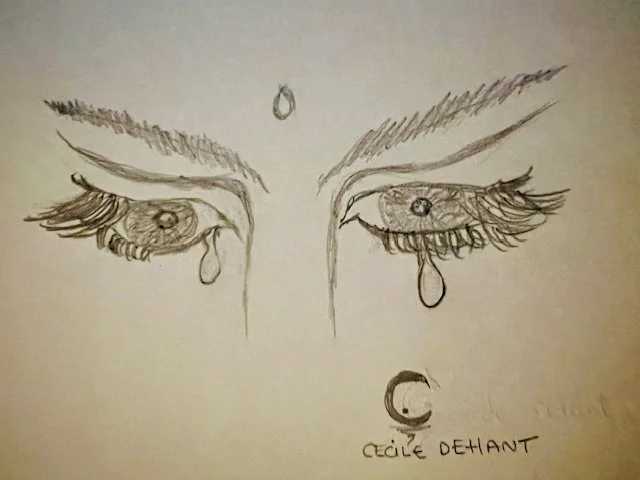
The Role of Tears in Emotional Release and Nervous System Regulation
Tears are one of the body’s most natural and intelligent forms of emotional release—yet for many, they are wrapped in shame, discomfort, or suppression.
From an early age, we may have received messages such as “don’t be too sensitive,” “stop crying,” or “be strong.” These experiences shape how we relate to our emotions and, over time, can lead to a disconnection from the body’s natural regulatory processes.
In the language of neurobiology and nervous system regulation, suppressing tears is not just emotional—it becomes physiological.
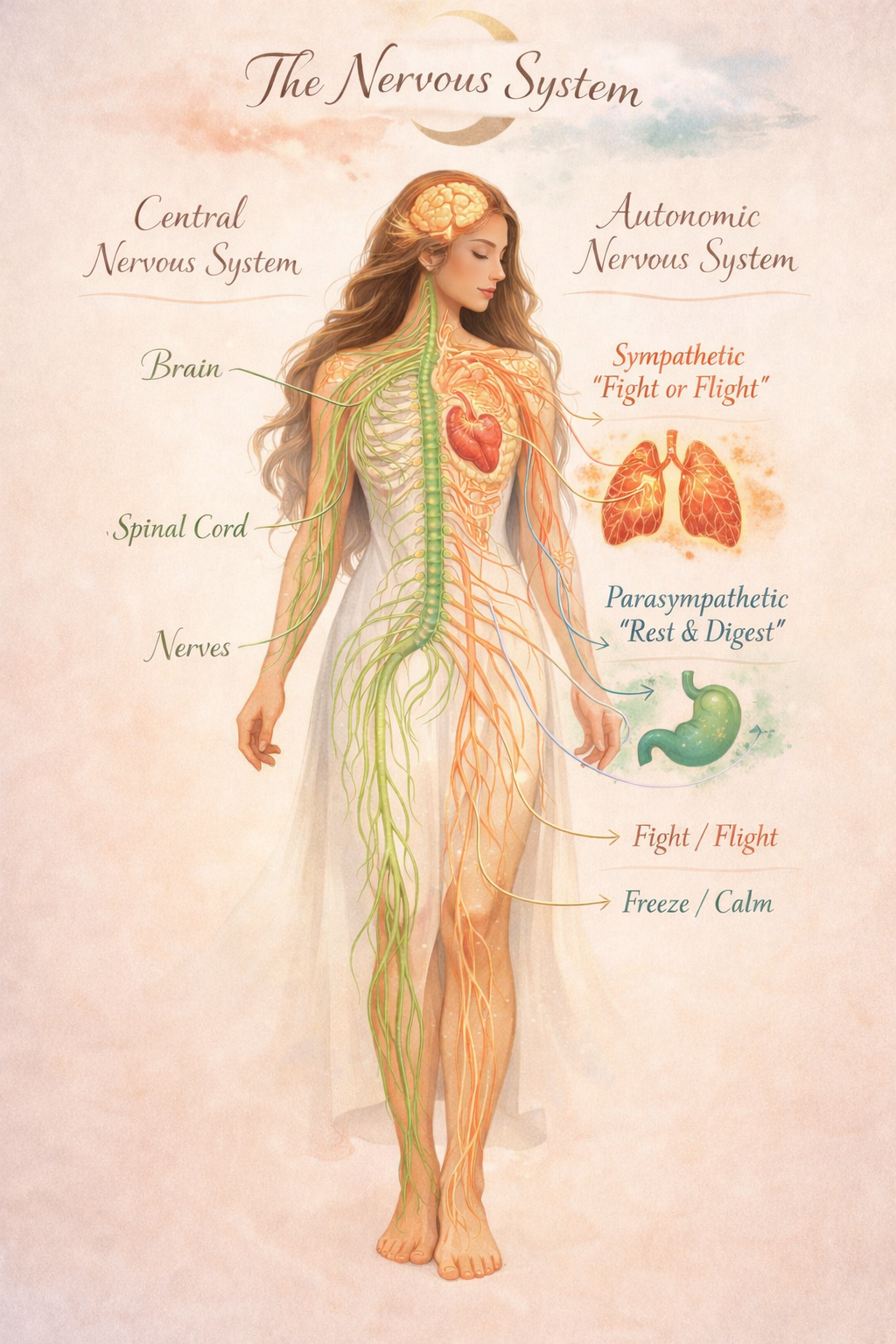
The Role of the Nervous System in Physical and Mental Health
We often speak about stress as something happening in the mind.
But modern neuroscience and somatic research now show us something deeper:
Stress is not just a mental experience — it is a physiological one, lived and stored in the body.

How Trauma Is Stored in the Body: Fascia, the Nervous System, and the Path to Regulation
The nervous system is literally embedded inside the fascia.
When sympathetic activation occurs — the “ready for danger” state — muscle tone increases.
Fascia adapts to this tone.
If the defensive response cannot complete, the tissue remains slightly contracted.
Over time:

Craniosacral for Kids: The benefits
Children’s bodies and nervous systems are in constant development. From birth onward, they are learning how to breathe, digest, move, regulate emotions, and feel safe in their bodies and in the world.
When early stress, birth strain, illness, falls, emotional challenges, or big life transitions occur, the young nervous system may sometimes struggle to fully integrate these experiences.
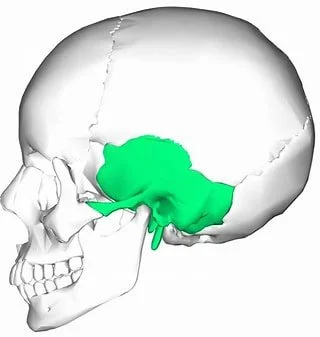
Tinnitus, the Body & the Nervous System: How Craniosacral Therapy Can Help
Tinnitus can feel like a quiet intruder — a ringing, buzzing or humming that seems to come from nowhere, yet follows you everywhere. For many people, it brings frustration, stress, and a sense of being out of control.
But tinnitus is not always an “ear problem.”
For a large number of people, it is a body-based tension pattern, influenced by the jaw, neck, cranial bones and the nervous system.
There are two main types of tinnitus:
otologic tinnitus (originating from the ear) and
somatosensory tinnitus (originating from the body).
Understanding the difference brings clarity, direction, and a sense of empowerment.
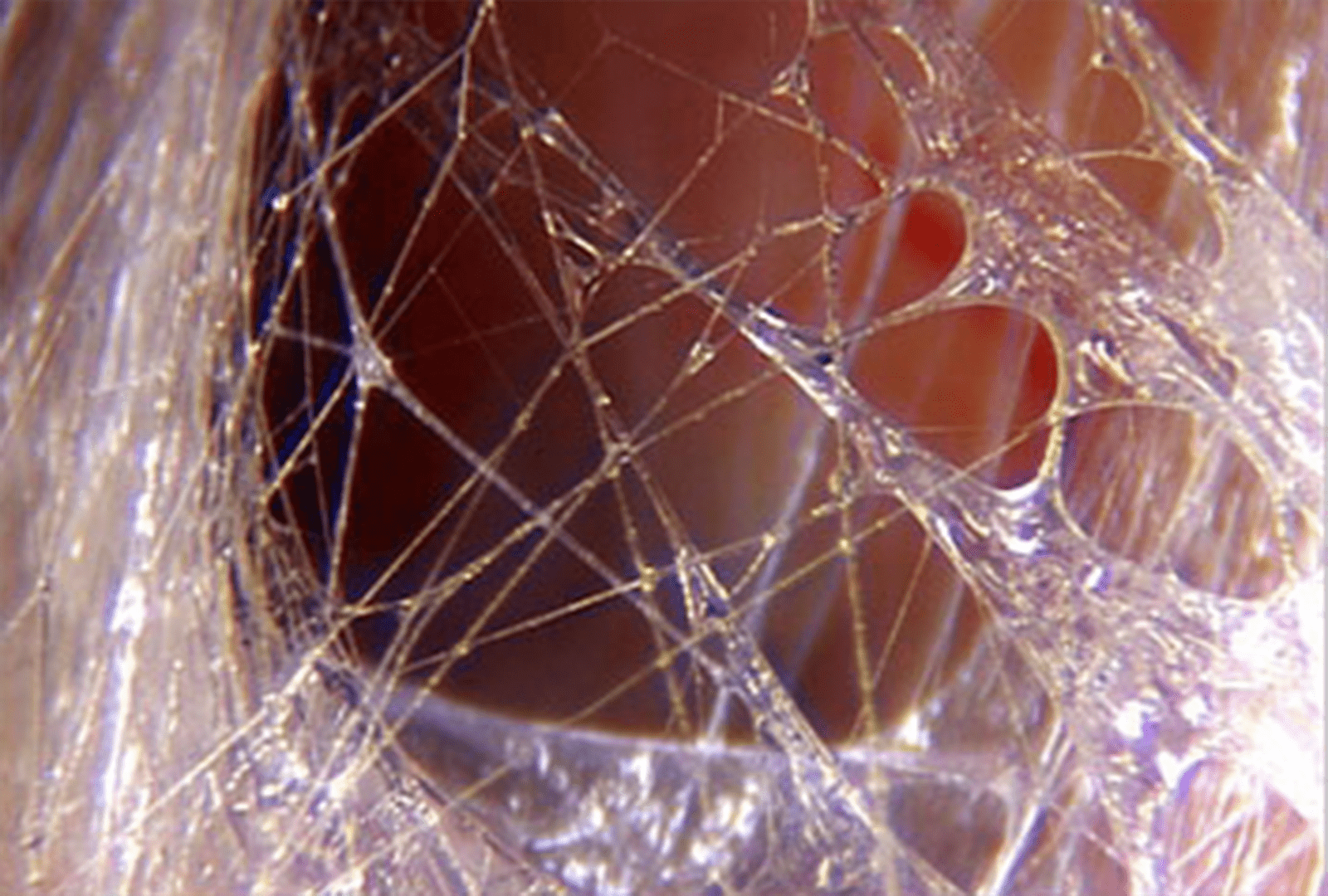
Fascia: The Hidden Web That Shapes Our Mobility, Our Pain, and Our Healing
If you’ve ever felt “tight,” “stuck,” or like your body was holding something deeper than muscle tension, you were likely feeling your fascia. This living, intelligent tissue is one of the most influential—and misunderstood—systems in the body. As a myofascial therapist, craniosacral practitioner, and osteopath-informed clinician, fascia is often where I begin, and where the most profound releases happen.

What is somatic psychotherapy — and how is it different from “regular” talk therapy?
Somatic psychotherapy is a body-informed approach to healing. Where traditional psychotherapy often focuses on thoughts, beliefs and the stories we tell about our experiences, somatic work pays close attention to the body — the sensations, rhythms, posture, breath and implicit responses that carry emotional and traumatic memory. The word soma literally means “body,” and somatic approaches treat the nervous system as the primary route to change.
Which Injuries Is PEACE & LOVE Good For?
injury care from RICE to PEACE&LOVE
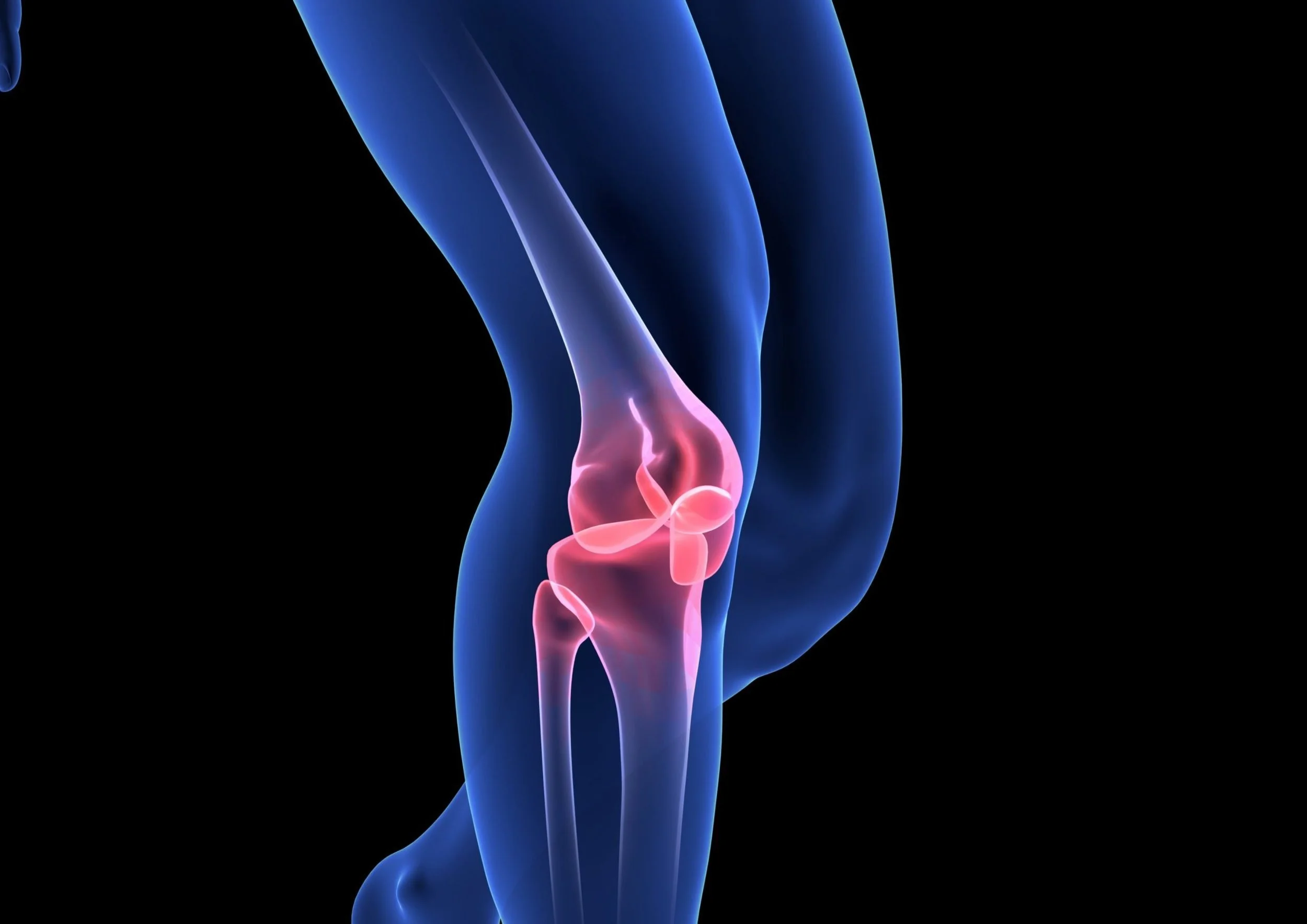
The PEACE & LOVE protocol is designed for acute soft-tissue injuries — the kinds of injuries that affect muscles, ligaments, tendons, joints, and fascia. These are the most common everyday injuries and are exactly the situations where RICE used to be recommended.
First Aid Injury- RICE- Apply Ice or not and why?
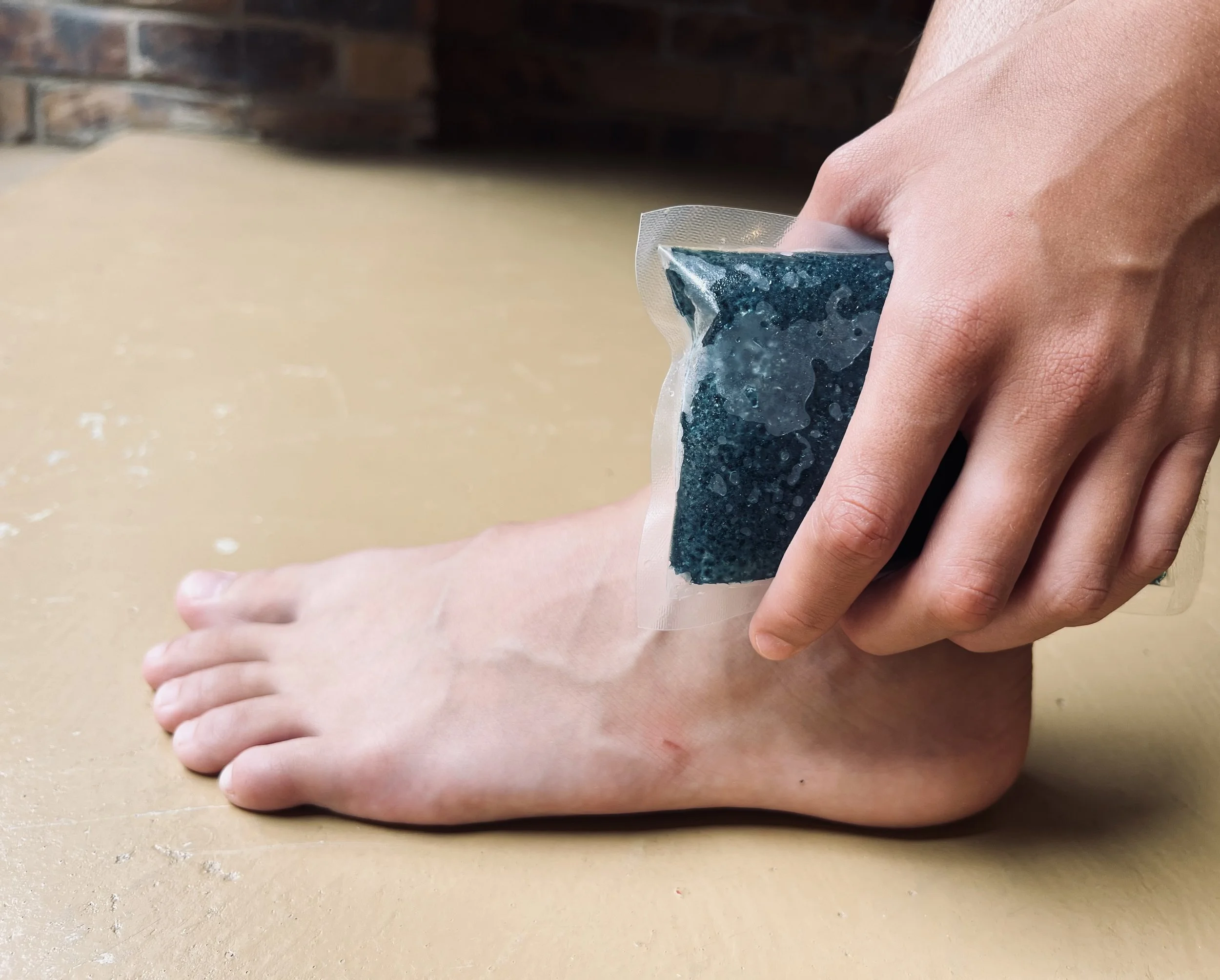
For decades, most of us were taught to treat sprains and soft-tissue injuries with the familiar acronym RICE — Rest, Ice, Compression, Elevation. It became the standard advice given by first-aid trainers, physios, sports coaches and even doctors.
But what many people don’t know is that the man who invented RICE, Dr Gabe Mirkin, later changed his mind….

Post Session Care
Integration after receiving a session is as important as the session itself.

“How Craniosacral Therapy Helps Anxiety & Burnout”
Craniosacral therapy gently works with the rhythms of the nervous system, helping the body soften out of survival mode and return to its natural state of ease.
Craniosacral Therapy for Chronic Pain — What to Expect
Living with chronic pain can feel like carrying a quiet weight every day — a tension woven through the body that never quite lets go. Many people come to craniosacral therapy when they’ve tried everything else, or when they sense that their pain is connected to deeper layers of stress, trauma, or overwhelm in the nervous system.

Signs Your Nervous System Is Dysregulated (and How to Rebalance)
So many of us move through life without realising that our nervous system has been operating in survival mode for far too long. We adapt. We push through. We cope.
But beneath it all, the body whispers — through tension, exhaustion, or emotional overwhelm — that something is out of balance.

How Craniosacral Therapy Helps With TMJ Issues
Gentle realignment, deep release, and soothing relief for the jaw
with craniosacral therapy